
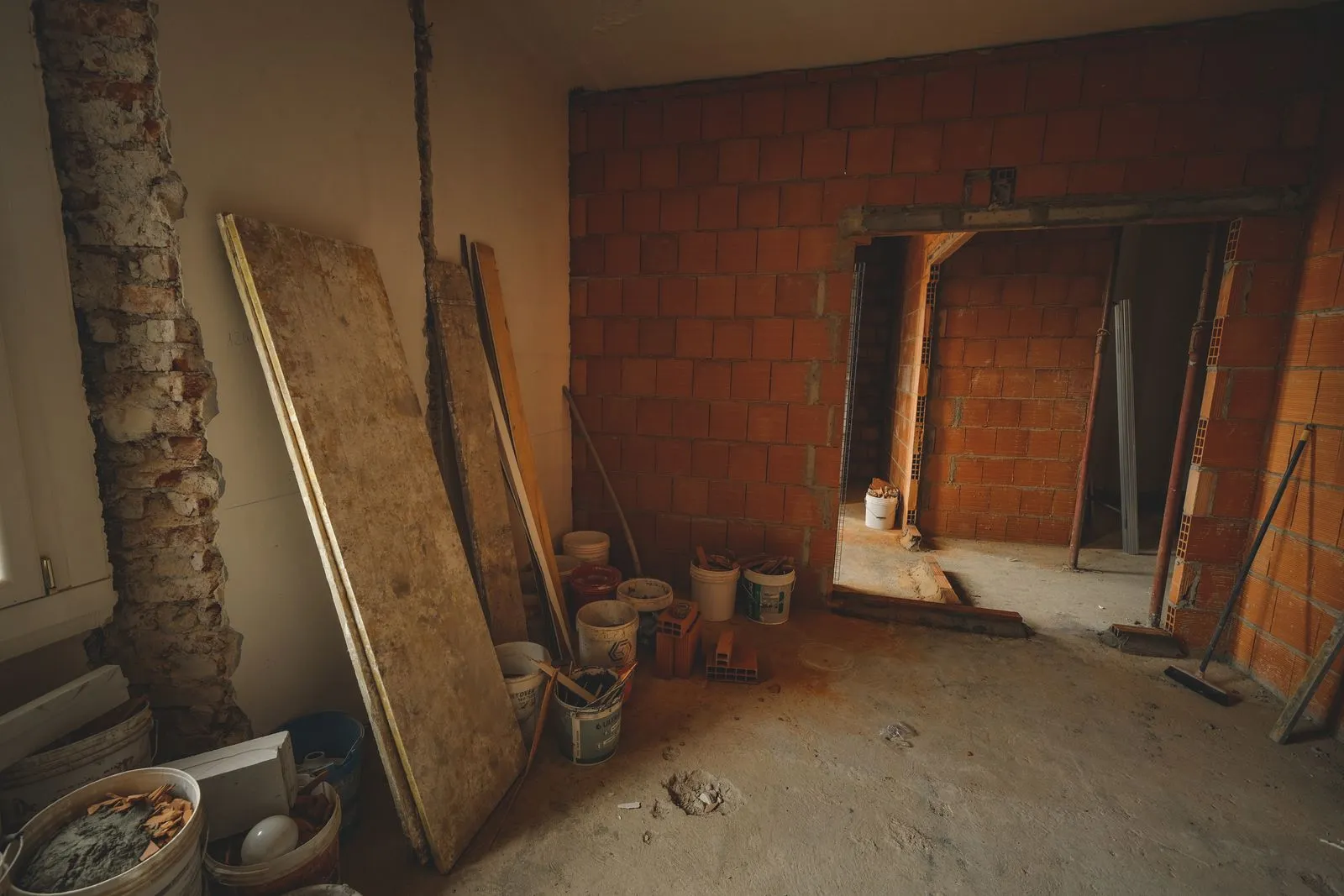
A little planning before construction begins can make a remodel safer, tidier, and less stressful. Start by asking your contractor which rooms and utilities the work will affect, how workers will enter the home, and where materials will be stored. Then protect belongings, map out daily routines, and create temporary areas for cooking, bathing, or relaxing. You may not avoid every inconvenience, but a clear plan helps your household stay comfortable while the work moves forward.
Protect belongings and surfaces
Move furniture, decor, and valuables out of the work area before the crew arrives. If an item is too large to relocate, ask whether it can stay in the room and cover it with a sturdy, well-secured drop cloth. Pack small items in labeled boxes and store them in a room the contractor confirms will remain outside the work zone.
Dust can travel beyond the room being remodeled. Close doors between work areas and living spaces, and ask your contractor how they plan to control dust and protect floors. Remove wall hangings near the project, and keep pets and children away from tools, debris, and temporary barriers. Follow the crew’s instructions about any surfaces or belongings that need special protection.
Plan around the work
Before work starts, confirm the expected work hours, entry route, parking needs, and areas workers will use. Ask which rooms or utilities may be unavailable and how much notice you will get before water, power, or heat is shut off. Put key details where everyone at home can find them, and keep the contractor’s contact information handy for schedule questions.
Adjust routines that depend on the affected rooms. If the project blocks your usual entrance, choose another route and make sure it stays clear. Arrange pet care if noise or open doors could cause problems. For remote work, school, or rest, identify a quieter area away from construction and discuss any time-sensitive needs with the contractor before the schedule is set.
Set up temporary spaces
If your kitchen will be out of service, create a simple food station in a clean area with everyday dishes, shelf-stable snacks, and small appliances you can safely use. Keep water and cleaning supplies nearby, and plan meals that do not depend on your full kitchen. Confirm which outlets are available and avoid running appliances near construction or through busy walkways.
For a bathroom project, ask how long the room will be unavailable and whether another bathroom will remain accessible. Set out towels, toiletries, and a laundry basket in the usable bathroom so essentials are easy to reach. If the work affects bedrooms or the main living area, move sleep and seating arrangements before demolition begins, rather than while workers are on site.
Confirm details before day one
Walk through the project area with your contractor and agree on boundaries, access, and storage locations. Confirm who will move appliances or disconnect fixtures, and clarify what you should remove yourself. Keep a written list of decisions, such as where materials can be delivered and which areas must stay clear, so household members and the crew share the same expectations.
Prepare for a changing work zone by keeping a small kit of essentials outside it: medications, chargers, important documents, and items you use each day. Take photos of nearby rooms and belongings before work begins, and store them somewhere you can access. Leave pathways open, secure loose rugs, and avoid entering the work area unless the contractor says it is safe.
The best remodel preparation combines clear communication with practical changes at home. Protect what you can, plan for disrupted routines, and set up temporary spaces before construction starts. Review the access plan and room-by-room schedule with your contractor, then make adjustments as the project progresses. A little preparation can help your household feel more settled while the work is underway.